Principles Of Design Art - Art and design are two essential components that play a crucial role in our lives, the field of art and design is vast, and it includes many elements and principles. Elements are the basic components of art and design that represent points, lines, shapes, colors, textures, spaces, and values. While principles are the qualities that describe how the essential elements should be used to create visual art and design. The principles of art and design include unity, harmony, balance, emphasis, contrast, proportion, and rhythm. In this post, we will discuss some key principles of art and design that will help you improve your work and take it to the next level.
Principle 1: Unity
What is Unity?
The principle of unity in art and design refers to the concept of creating a sense of oneness, wholeness or coherence in a work of art. Unity is achieved by using similar elements and principles throughout the design. A unified design looks more organized and cohesive than a design that lacks unity.
/PrinciplesofDesign-56a6e77d3df78cf77290db06.jpg)
Tips for Creating Unity in Art and Design
- Use a limited color palette throughout the design.
- Repeat similar shapes or patterns throughout the design.
- Use the same typeface and font size throughout the design.
- Ensure that the images or elements you use convey the same message or meaning.
Principle 2: Balance
What is Balance?
The principle of balance in art and design refers to the equal distribution of visual weight in a design. A design that lacks balance appears unstable, while a balanced design exudes a sense of stability and harmony. There are three types of balance in art and design: symmetrical, asymmetrical, and radial.

Tips for Creating Balance in Art and Design
- Use symmetrical or asymmetrical balance to create a sense of stability or visual interest.
- Avoid cluttering one side of the design with heavy elements while leaving the other side empty.
- Use contrasting colors or shapes to create balance in a design.
- Add more elements to one side of the design to balance out the heavier elements on the other side.
Principle 3: Contrast
What is Contrast?
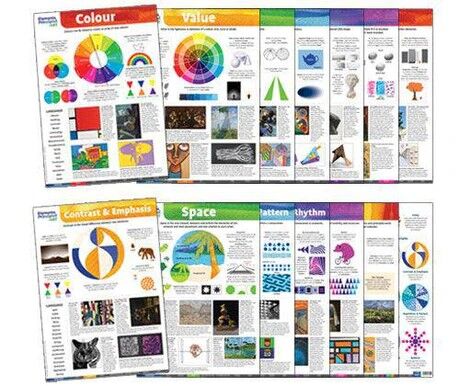
The principle of contrast in art and design refers to the differences between visual elements in a design. Contrast helps to create visual interest and add depth to a design. There are several ways to create contrast in a design, including using contrasting colors, shapes, sizes, and textures.
Tips for Creating Contrast in Art and Design
- Use contrasting colors to create visual interest.
- Create contrast by using different shapes and sizes in a design.
- Use contrasting textures to add depth to a design.
- Create contrast by using different font styles in a design.
Principle 4: Emphasis
What is Emphasis?
The principle of emphasis in art and design refers to the use of specific elements or features in a design that draws the viewer's attention. Emphasis helps to create a focal point in a design and add depth to a design.
/principles-of-art-and-design-2578740-v31-5b72d965c9e77c0025b80a2d.png)
Tips for Creating Emphasis in Art and Design
- Use contrasting colors to create emphasis.
- Use larger or bolder fonts to create emphasis on a specific text element.
- Use an image or graphic that stands out from the rest of the design to create emphasis.
- Use asymmetrical balance to create emphasis on a particular element.
Principle 5: Proportion
What is Proportion?
The principle of proportion in art and design refers to the relationships between the sizes of different elements in a design. Proportion helps to create a sense of harmony and balance in a design.

Tips for Creating Proportion in Art and Design
- Use the rule of thirds to create a balance between the positive and the negative space in a design.
- Use similar shapes in different sizes to create a sense of proportion.
- Avoid placing large elements next to small elements, as it can create imbalance in a design.
- Ensure that the proportions of different elements in a design are consistent throughout the design.
Principle 6: Rhythm
What is Rhythm?
The principle of rhythm in art and design refers to the visual flow or movement that is created in a design. Rhythm helps to lead the viewer's eye through a design and creates a sense of movement and continuity.
Tips for Creating Rhythm in Art and Design
- Use repeating patterns or shapes to create visual continuity in a design.
- Use diagonal lines to create a sense of movement and direction in a design.
- Use contrasting colors to create a sense of rhythm in a design.
- Use the same font style and size to create consistency and rhythm in a design.
In conclusion, understanding the principles of art and design is essential for creating visually appealing designs. Whether you are a professional designer or just starting, these principles will help you improve your work and make it more effective. We hope this post has provided you with some valuable insights into the world of art and design. Happy creating!
Read more articles about Principles Of Design Art