3D Printing Build Plate Temperature - A crucial factor to consider when 3D printing is the build plate temperature. This temperature plays a significant role in the success of your 3D prints. It's essential to ensure that your build plate temperature is at the correct temperature for the type of filament you're using. In this post, we'll discuss the best temperatures for various filaments and explore different 3D printing methods that require a raft or brim.
3D Printing Raft: When to Use it, Pros & Cons
What is a 3D Printing Raft?
A 3D printing raft is an additional structure added to the bottom of your 3D prints. It acts as a base layer that helps your model stick to your build plate. This is especially useful for prints that have a small surface area or those with lots of overhangs.
When to Use a 3D Printing Raft
If your 3D model has a small surface area, you may find that it won't stick to your build plate properly. In this scenario, using a 3D printing raft can help. Additionally, if you're printing out a model with lots of supports, a raft can help to ensure that your final print looks clean and smooth.
Pros and Cons of Using a 3D Printing Raft
There are several advantages and disadvantages to using a 3D printing raft. On the one hand, it can help to improve the adhesion of your 3D model to your build plate. However, using a raft can also increase print time and lead to a less smooth print surface.

3D Printing using Brim, Raft, and Skirt? What should you use?
What is a Brim in 3D Printing?
A brim in 3D printing refers to a thin layer of extra material added around the edge of your model. This is designed to help prevent warping and ensure that your final print looks high-quality.
What is a Skirt in 3D Printing?
A skirt in 3D printing refers to a single line of material that surrounds your print at the bottom layer. This is useful for ensuring that your 3D model sticks correctly to the build plate.
When to Use a Brim or Skirt in 3D Printing
If you're experiencing problems with warping during your 3D printing process, using a brim or skirt can help to resolve this issue. Both the brim and skirt provide a larger surface area for your model, which helps it to stick more effectively to your build plate.
Pros and Cons of Using a Brim or Skirt in 3D Printing
The main advantage of using a brim or skirt in 3D printing is that it can help improve the adhesion of your model to your build plate. However, using a skirt or brim can also increase print time and usage of material, which can affect efficiency and ultimately cost.

The Best 3D Printing Temperatures for PLA, TPU, ABS, PETG, Nylon
PLA Filament
A popular filament for 3D printing, PLA is made from renewable resources such as cornstarch, sugarcane, and potatoes. The ideal build plate temperature for PLA is between 60-70 degrees Celsius, while the printer extruder temperature ranges from 190-230 degrees Celsius.
TPU Filament
TPU filaments are known for their flexibility and durability. The ideal build plate temperature for TPU is between 40-60 degrees Celsius, while the printer extruder temperature ranges from 210-230 degrees Celsius.
ABS Filament
ABS filament is a high-strength plastic used for 3D printing. The ideal build plate temperature for ABS is between 90-110 degrees Celsius, while the printer extruder temperature ranges from 240-260 degrees Celsius.
PETG Filament
A tough and durable filament, PETG is perfect for 3D printing intricate models. The ideal build plate temperature for PETG is between 60-80 degrees Celsius, while the printer extruder temperature ranges from 230-250 degrees Celsius.
Nylon Filament
Nylon is known for its strength, flexibility, and resistance to wear and tear. The ideal build plate temperature for Nylon is between 95-110 degrees Celsius, while the printer extruder temperature ranges from 240-260 degrees Celsius.
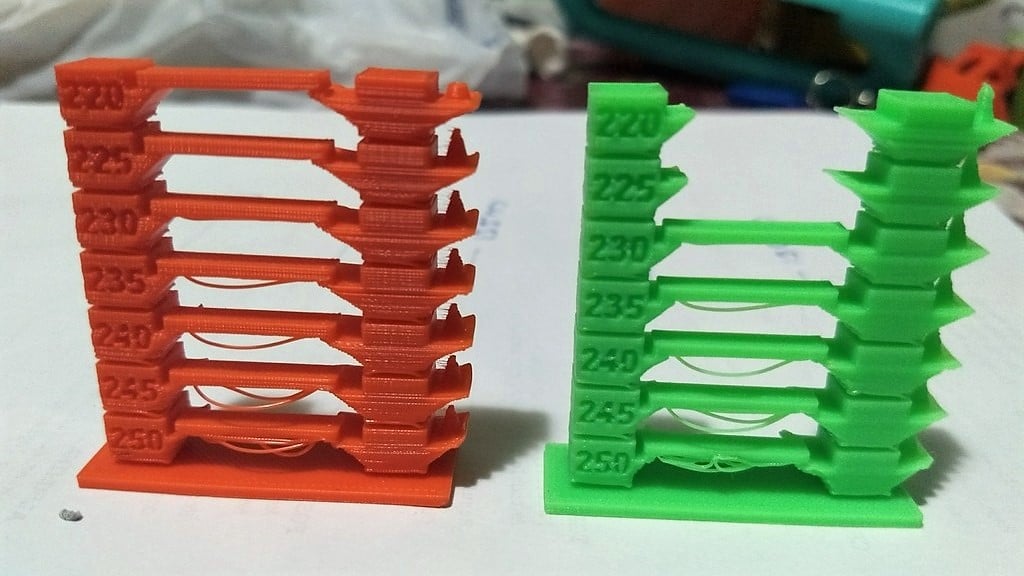
Bringing High Temperature 3D Printing To The Masses
Why High-Temperature 3D Printing?
High-temperature 3D printing is essential for creating strong, durable, and heat-resistant parts. However, most 3D printers can only work with materials that have a low melting point.
How to Achieve High-Temperature 3D Printing
To achieve high-temperature 3D printing, you need a 3D printer that can handle high temperatures, a suitable filament such as PEEK or Ultem, and a heated build plate.
Pros and Cons of High-Temperature 3D Printing
The main advantage of high-temperature 3D printing is the ability to create incredibly strong and durable parts that can withstand high temperatures. However, high-temperature 3D printing can be costly and time-consuming. Additionally, high-temperature materials emit potentially toxic fumes and require safety precautions to ensure the safety of the user.
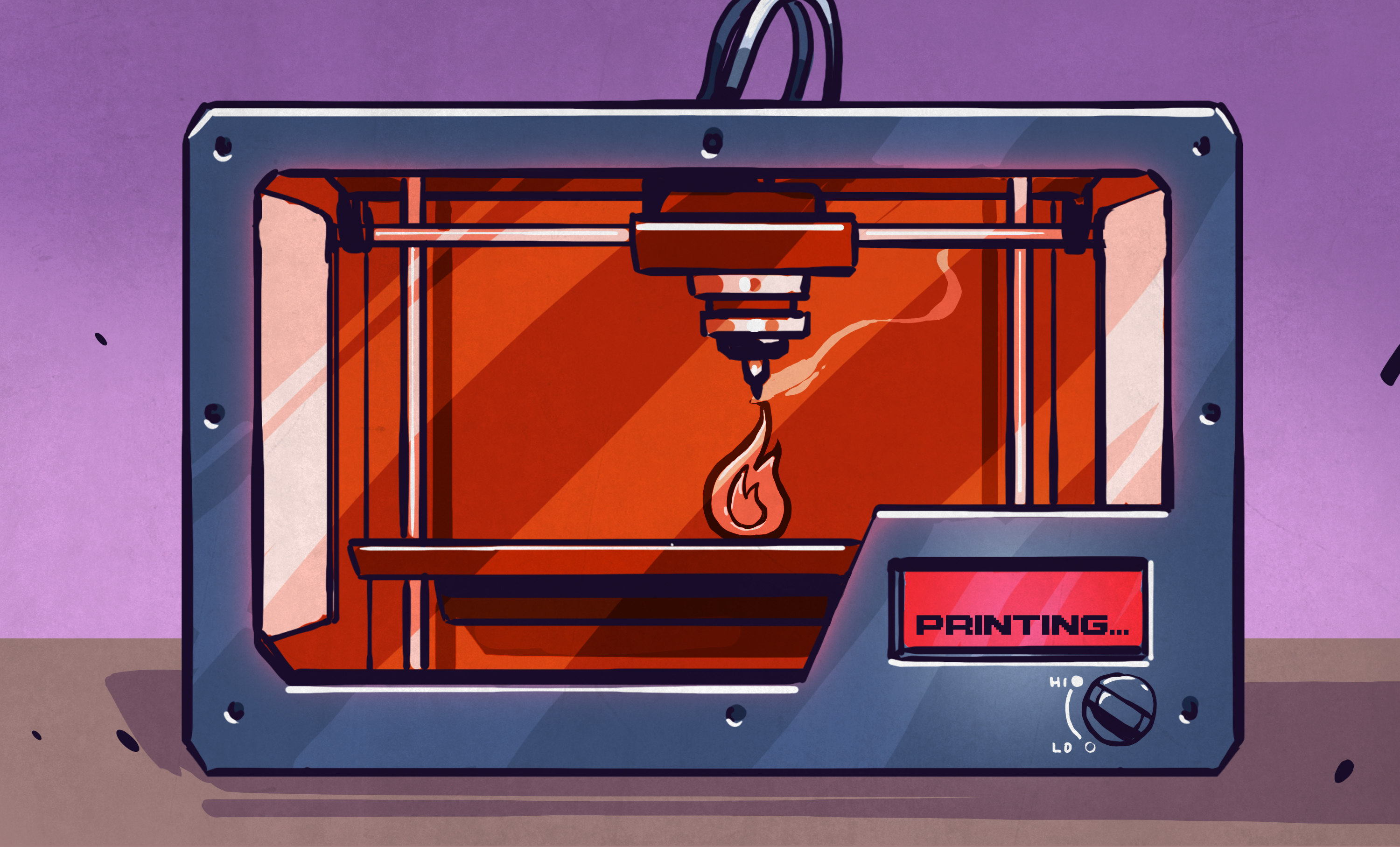
Prototyping with High-Temperature Filaments
Why Use High-Temperature Filaments for Prototyping?
High-temperature filaments offer several benefits for prototyping. They are strong, durable, and resistant to wear, making them ideal for creating functional prototypes or testing applications that require heat resistance.
How to Prototype with High-Temperature Filaments
To prototype with high-temperature filaments, you need a 3D printer that can handle high temperatures, a suitable filament such as PEEK or Ultem, and a heated build plate. Additionally, you need to ensure that your 3D model is designed correctly to ensure maximum strength and reliability.
Tips for Prototyping with High-Temperature Filaments
- Keep your build plate temperature consistent throughout the printing process
- Print at a slower speed, as high-temperature filaments have a tendency to warp or deform during printing
- Use a design that allows for maximum airflow, as high-temperature filaments emit potentially toxic fumes
- Wear proper safety equipment, such as gloves and a mask, when handling high-temperature filaments

In conclusion, the right build plate temperature, as well as choosing whether to use a brim, raft, or skirt is essential when 3D printing. Additionally, understanding the ideal 3D printing temperatures for various filaments can help to ensure that your final print is of high quality. Prototyping with high-temperature filaments offers several benefits, but it's essential to take the necessary precautions to ensure user safety. With the right techniques and equipment, you can achieve high-quality 3D prints that meet your exact specifications.
View more articles about 3d Printing Build Plate Temperature