Application Of 3d Printing In Prosthetics -
Transforming Lives with 3D Printed Prosthetics
Pros and Cons

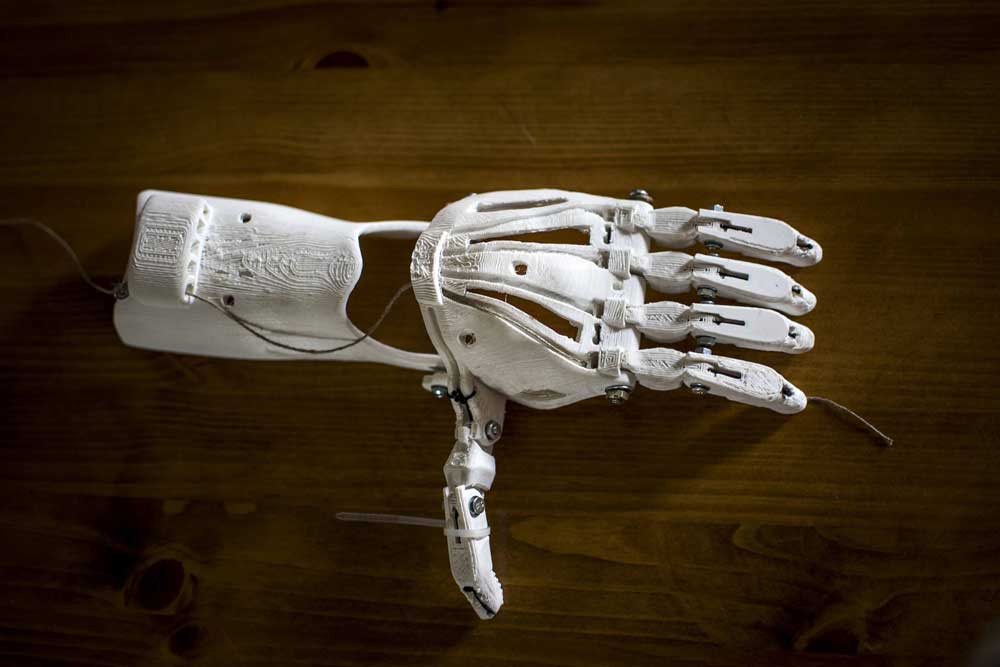
Prosthetics have advanced significantly over time, thanks to technology. The use of 3D printing is one such advancement that has revolutionized the process of making prosthetics. The customization and flexibility of 3D printing have made it a popular choice in the production of prosthetic limbs. It allows for faster manufacturing, increased precision, and a more cost-effective approach in building customized parts. However, as with any emerging technology, there are pros and cons associated with the use of 3D printing in prosthetics.
The Evolution of 3D Printing
What is 3D Printing?
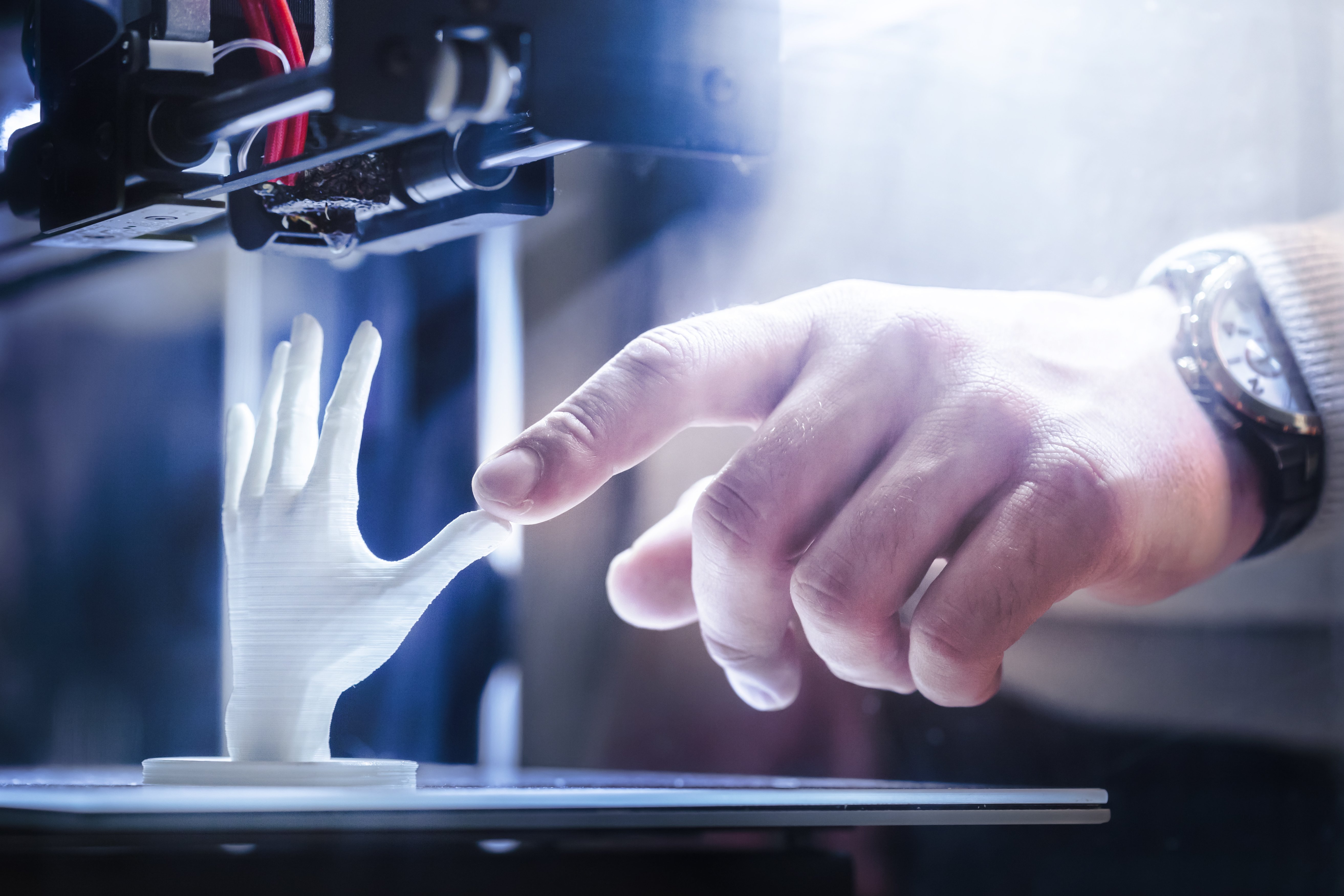
3D printing, also known as additive manufacturing, is a process that creates a physical object by layering materials on top of each other. It is similar to how a printer prints on paper but instead uses various materials such as plastic, metal, or even human cells to create a 3D object. The technology behind 3D printing has evolved over time, and today, it is extensively used in various industries such as medicine, aerospace, automotive, construction, and many more.
The Impact of Artificial Intelligence
Artificial Intelligence Applications in Additive Manufacturing (3D)
The combination of 3D printing and artificial intelligence (AI) is making a significant impact in the prosthetics industry. AI is being used to analyze CT scans, X-rays, and other medical imaging techniques to create a digital model of a patient's body. This model is then used to design prosthetics and 3D print them, creating customized prosthetics that are tailored to a patient's body type and needs.
The Great Revolution of 3D Printing Prosthetics in 2021
3D printing prosthetics in 2021: The great revolution

Today, 3D printing is playing a significant role in the development of prosthetics, and it is widely believed that it will continue to revolutionize the industry. Innovative companies are using 3D printing to create prosthetics that have elements of artificial intelligence, robotics, and even haptic feedback. This allows patients to receive better service and experience while using the prosthetics, making it more comfortable and efficient while performing daily activities.
Design Art and Prosthetics
Glaze Prosthetics arm 3dprinting prosthetic, design, art | Prosthetics

3D printing has also made it possible to create unique and personalized prosthetics that not only function efficiently but also look visually stunning. Combining craftsmanship with technology, professionals can design and manufacture bespoke prosthetics, which are customized to suit an individual's personality and lifestyle. With the use of 3D scanning, 3D printing, and CAD software, it is possible to achieve complex shapes and textures, providing patients with the freedom to choose from a wide range of colors and finishes.
Benefits of 3D Printed Prosthetics
Tips, Ideas, and How-To
3D printed prosthetics offer many benefits, such as:
- Customization: 3D printing allows for personalized prosthetics that are made to fit an individual's body type, making it more comfortable and efficient to use.
- Increased speed: 3D printing allows for same-day prosthetic production, allowing patients to receive their prosthetics faster.
- Cost-effective: 3D printing eliminates tooling and machining costs, making it more affordable for patients to acquire prosthetics.
- Lightweight: 3D printing using lightweight materials can allow the prosthetic limb to be less cumbersome and more effective for the individual.
- Production consistency: Each prosthetic is printed the same way, ensuring consistent functionality and production.
- Material choice: 3D printing allows for various materials to be used in the manufacture of prosthetics, such as plastics, metals, and even bio-materials for a more natural feel.
In conclusion, 3D printing has transformed the way in which we approach the creation of prosthetics. By combining technology with craftsmanship, designers and manufacturers can design bespoke parts created to fit the patient's body type and needs. Although the technology is still improving, the potential for 3D printing to impact the lives of individuals with prosthetic needs is massive. It is not an exaggeration to say that advancements in 3D printing may pave the way to a future where prosthetics are more comfortable, efficient, and aesthetically pleasing.
View more articles about Application Of 3d Printing In Prosthetics