Oh hello there, fellow art enthusiasts! Today, we're gonna talk about something that makes us all want to be millionaires - the value of art! Yes, you heard it right. We don't just love art for its aesthetic value, but also for the monetary value it holds. So let's dive right into it, shall we?
What is Value in Art?
The Serious Answer
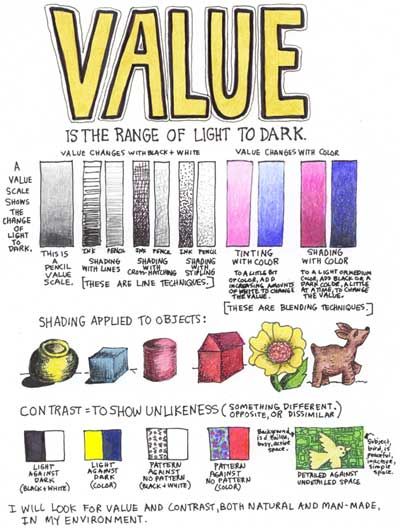
Now, value in art refers to the varying degrees of light and shade in an artwork. Artists use this element of art to create depth, form, contrast, and of course, mood. It is basically how dark or light a certain part of an artwork is, and how it relates to other parts of the artwork.
Artists use different mediums to create values in their works. For example, pencil shading, charcoal, ink washes, and watercolor washes are different ways to create values in drawings and paintings. Sculptors use varying degrees of light and shadow to create depth in their 3-dimensional works.
The Fun Answer
Value in art is like the spiciness in your food - it can make you want to dive in for more or run away screaming. It's the difference between a flat artwork and one that makes you feel like you can walk right into it. It's what makes an artwork go from "meh" to "WOW, I need to own this!" Basically, if you want your artwork to be the star of the show, you need to rock those values like the Spice Girls rocked their platform shoes.
The History of Value in Art
Back in the Day
Value in art has been around for thousands of years. Ancient artists used different shades of charcoal to create depth and volume in their cave paintings. Renaissance artists like Leonardo da Vinci mastered the art of chiaroscuro (using dark and light to create depth in artworks) and used it in their paintings to create realistic and lifelike figures. Dan Flavin, a famous minimalist artist from the 20th century, used fluorescent lights to create value and color in his works.
Modern Day Madness
In today's world, the value of art has taken on a whole new meaning. With art pieces selling for millions of dollars, it has become a symbol of wealth and status. People invest in art like they invest in stocks, hoping that their artwork will appreciate in value over time. It's not just about how good an artwork looks now, but how much it will be worth in the future.

How to Value Art
Monetary Value
One of the most common ways to value art is by its monetary worth. Auctions, galleries, and collectors use various factors like the artist's reputation, the rarity of the artwork, and its condition to determine the price of the artwork. Sometimes, an artwork can sell for millions of dollars, while other times, it might not be worth much at all.
Emotional Value
Another way to value art is the emotional connection it creates with the viewer. A piece of art can be priceless to someone because of what it represents to them. For example, a painting of a place that holds a special significance in someone's life will be worth way more to them than to someone who has no attachment to that place.
Technical Value
The technical value of art refers to the skill and mastery of the artist. This is why art collectors and critics are often more interested in the artists themselves than the artwork they create. An artwork that is technically flawless will be worth more than one where the artist took creative liberties.
Tips to Create Value in Art
1. Practice Shading Techniques
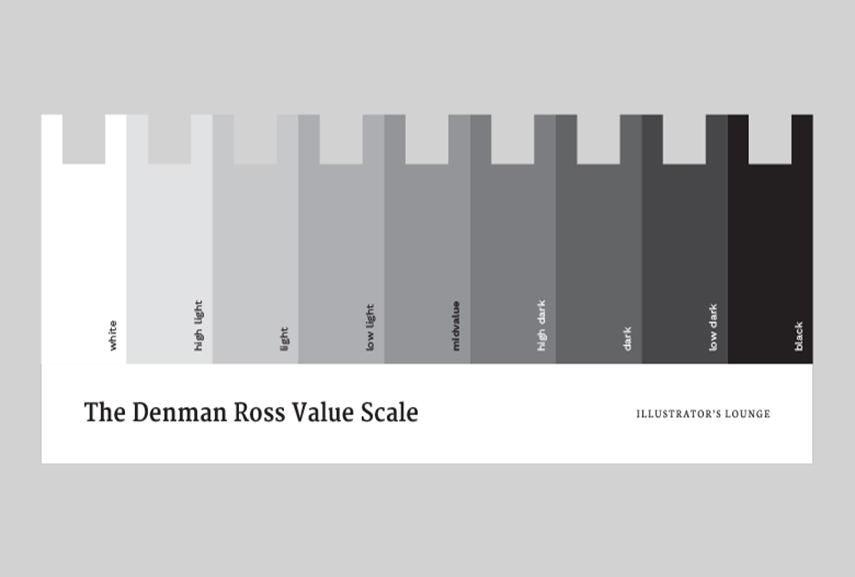
If you're new to value in art, start practicing your shading techniques. Experiment with different mediums like pencil, charcoal, and ink washes to create varying degrees of light and dark. Make sure to observe how light affects different objects and how shadows are created.
2. Use References
References can be a great way to learn about creating values in art. Use photographs or still life setups to observe how light and shadow fall on different objects. You can then apply these observations to your own artwork.
3. Play with Contrast
Creating contrast is a great way to make your values stand out. Use dark colors against light ones, and vice versa, to make your artwork pop. Playing with contrast can also help you create different moods in your artwork.
4. Experiment with Texture
Texture can be a great way to create values in art. By playing with different textures, you can create the illusion of depth and volume. For example, using a rough texture for a wall in a painting can make it look like it's farther away than a smooth wall.

The Takeaway
So there you have it, folks. Value in art is not just an element that artists use to create depth and contrast in their artwork. It is also a determining factor in the worth of an artwork. From the emotional value it holds to the skill of the artist, there are many ways to approach valuing art. And if you're an artist, practicing your values and experimenting with different techniques can take your artwork to the next level. So go ahead, create some amazing, valuable art that will make you the next Picasso!
Find more articles about Definition Of Value In Art