How Does 3d Printing Metal Work - Hey y'all! Are you as fascinated with technology as I am? Well, let me tell you about 3D metal printing! This is some high-tech stuff that's going to revolutionize the manufacturing industry. The process is pretty simple - a computer creates a digital model of the object, then a printer uses lasers to melt and fuse layers of metal powder together until the object is complete. But there's so much more to it than that, so let's dive in!
What is 3D Metal Printing?
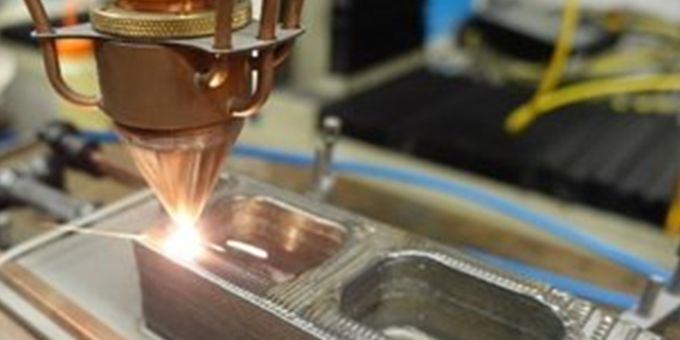
3D metal printing, also known as additive manufacturing, is the process of creating a three-dimensional object by layering metal powder with a laser. This process is done by using a 3D printer, which reads a digital model and turns it into a physical object using layers of material. 3D metal printing opens up all kinds of possibilities to create complex shapes and parts that would be difficult or impossible to manufacture with traditional methods like machining.
How Does it Work?
So, how exactly does 3D metal printing work? First, a digital model of the object is designed using software. The model is then sliced into layers, which are sent to the 3D printer. The printer then applies a layer of metal powder to a build plate and uses a laser to fuse the powder together, forming the first layer of the object. After each layer is completed, another layer of powder is applied and fused to the previous layer until the object is complete.

What are the Benefits of 3D Metal Printing?
Customization and Innovation
One of the biggest advantages of 3D printing in general is that it allows for a high degree of customization. 3D printing allows manufacturers to make unique parts with complex geometries that would be impossible to produce using conventional manufacturing methods. This opens up a whole new realm of possibilities for innovation.
Ease and Speed
3D printing is often faster and easier than traditional manufacturing techniques. Once the digital model is designed and ready, it can be printed relatively quickly. And because it's an additive process rather than a subtractive one like machining, there's less waste and less time spent on setup.
Cost Savings
Because 3D metal printing is highly customizable and requires less tooling, it can be much more cost-effective than traditional manufacturing methods. There's less need for specialized machinery and fewer materials wasted during the process.
What are the Challenges of 3D Metal Printing?
Quality Control
One of the biggest challenges of 3D metal printing is maintaining consistent quality control. Because the process is so complex, there are a lot of variables that can impact the final product. Manufacturers need to be experts in their materials and processes to ensure the printed parts meet quality standards.
Post-Processing
When parts come out of the 3D printer, they often need additional post-processing to achieve the desired finish and accuracy. This can include grinding, sanding, and finishing to ensure that the parts are precise and meet dimensional requirements.
Cost of Equipment and Training
3D metal printing equipment can be expensive, as can the specialized training required to operate and maintain it. This can be a barrier to entry for smaller manufacturers or those who are just getting started with additive manufacturing.
How Can You Get Started with 3D Metal Printing?
Understand the Technology
The first step to getting started with 3D metal printing is to understand the technology and how it works. There are plenty of resources available online and in-person to help you get up to speed on the basics of additive manufacturing, including webinars, online training courses, and local maker spaces.
Partner with Experts
The next step is to partner with experts who can help you navigate the challenges of additive manufacturing. This might include working with a manufacturing consultant, partnering with a 3D printing service bureau, or joining a local additive manufacturing community.
Invest in Equipment and Software
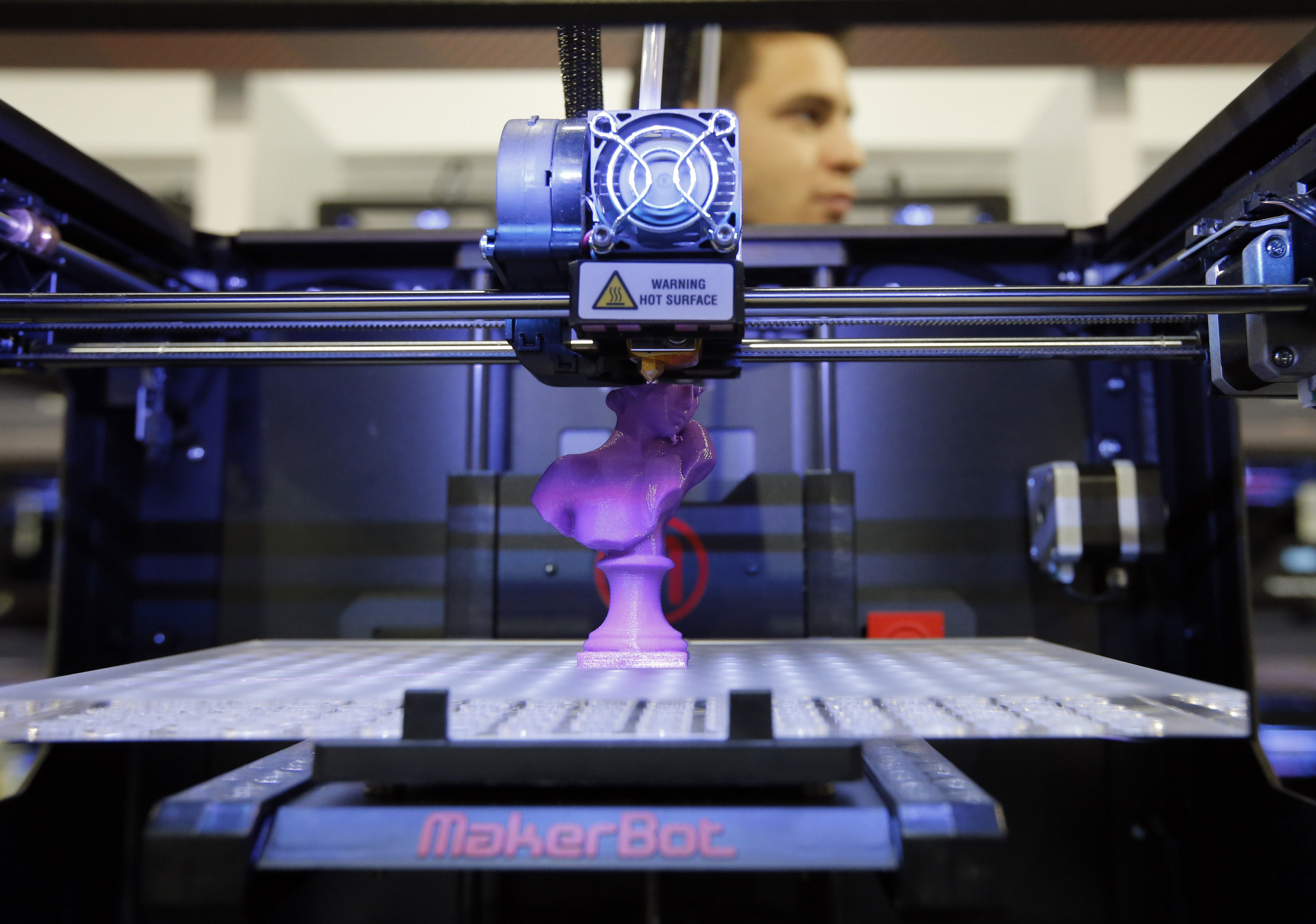
To get started with 3D metal printing, you'll need to invest in the right equipment and software. This includes a 3D printer, metal powder, and specialized software to design and slice digital models.
Start Small and Scale Up
Like with any new technology, it's important to start small and scale up as you gain experience and expertise. Start by printing simple parts and slowly work your way up to more complex designs and large-scale production.
Conclusion
3D metal printing is a game-changing technology that has the potential to revolutionize the manufacturing industry. The benefits of customization, ease, speed, and cost savings make it a compelling option for manufacturers looking to innovate and stay ahead of the competition. At the same time, there are challenges to overcome around quality control, post-processing, and the cost of equipment and training. By understanding the technology, partnering with experts, investing in the right equipment and software, and starting small, anyone can get started with 3D metal printing and reap the rewards it has to offer!
Stay curious and keep exploring new technologies!
View more articles about How Does 3d Printing Metal Work