Oh man, you wouldn't believe the crazy world of 3D printing file formats! It's like a jungle out there, with all sorts of weird acronyms and technical jargon that make my head spin. But fear not, my fellow print enthusiasts, because I'm here to guide you through the madness and help you choose the best format for your needs. Let's get started!
STL, the King of Formats
Tip #1: If in doubt, go for STL
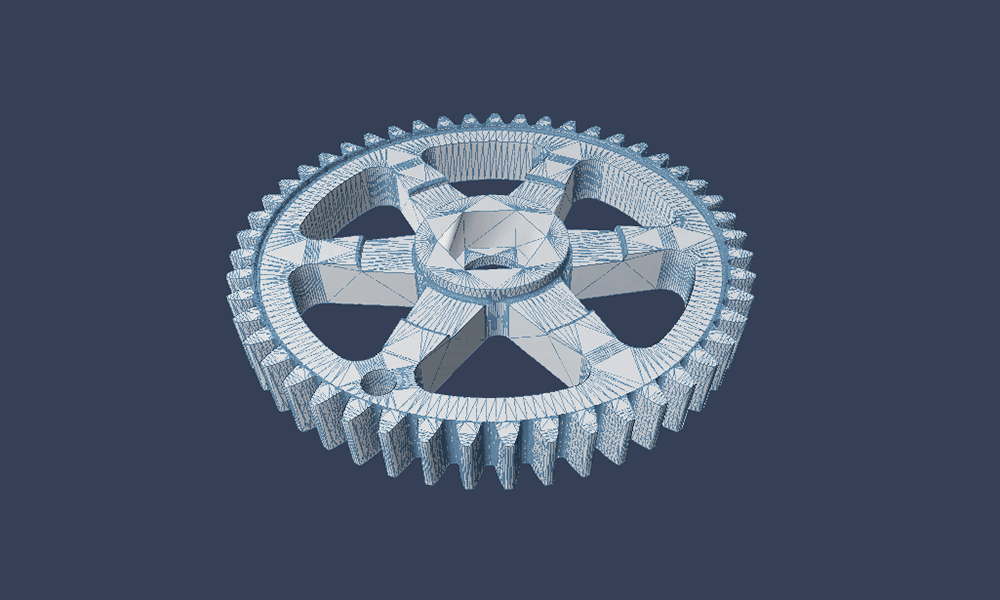
You've probably heard of STL (STereoLithography), which is the most widely used file format in the 3D printing world. Why is it so popular, you ask? Well, for starters, it's compatible with pretty much every 3D printer out there, and it's also relatively easy to use, since it only stores the surface geometry of an object instead of all the intricate details. Plus, most 3D modeling software supports STL export, so you don't have to worry about compatibility issues.

But Wait, There's More
Tip #2: Don't limit yourself to just one format
While STL is definitely the go-to format for most 3D printing applications, there are other formats out there that might suit your needs better. For example, OBJ (Object) is great for 3D scanning and photogrammetry, while AMF (Additive Manufacturing File Format) supports more advanced features like color and texture mapping. So don't be afraid to experiment with different formats and see what works best for your project!

The Big Four
Tip #3: Get to know the most common formats
Alright, so let's say you're ready to dive into the world of 3D printing file formats. Where do you even start? Well, here are the four most commonly used formats you should know:
- STL: As we've discussed, this one's a classic.
- OBJ: Good for geometric data and supporting textures.
- AMF: Has more advanced features and allows for more control over printing parameters.
- 3MF: Designed to be more modern and flexible, with support for color, materials, and multiple objects in one file.
Now, there are certainly other formats out there, but these are the ones you're most likely to encounter in your 3D printing adventures. Get to know them well!

The Bottom Line
Tip #4: Don't stress too much about file formats
At the end of the day, the most important thing is that you have a 3D model that you're happy with and that can be printed successfully. Sure, it's good to know your way around the different file formats, but it's not as crucial as some people might make it out to be. If you're just starting out with 3D printing, stick with STL and branch out from there as you gain more experience.
Final Thoughts
Tip #5: Keep learning and experimenting
So there you have it, folks. A crash course in the crazy world of 3D printing file formats. But remember, this is just the tip of the iceberg. There's always more to learn and discover when it comes to 3D printing, and the best way to do that is to keep experimenting and exploring. So go forth and create, my fellow print enthusiasts!
Read more articles about File Format For 3d Printing