3d Printing Stringing Fix Cura -
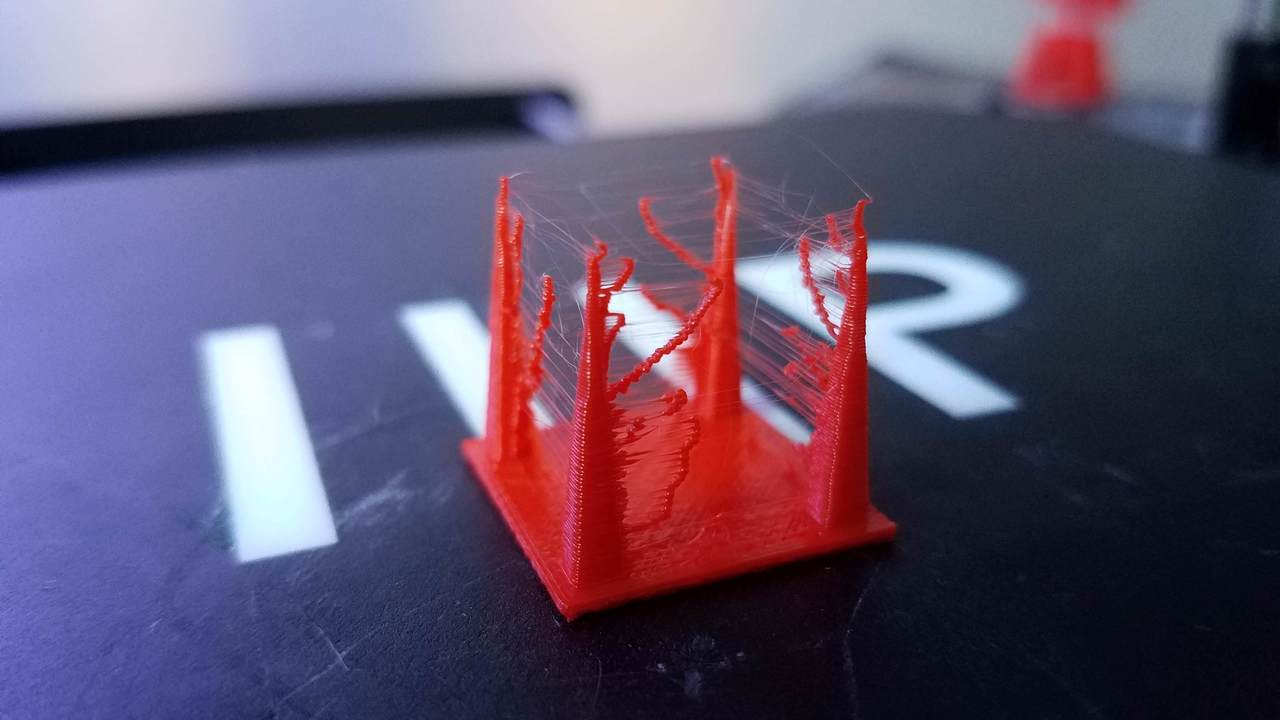
Are your 3D Prints looking like a spider web?
Here's What You Can Do:
So, you are finally enjoying the perks of 3D printing and decided to print something cool. You wait patiently as the printer does its job, only to be disappointed with the results. Your 3D prints are looking like a spider web, and you are not happy about it. Don't lose hope just yet! There are some things that you can do to fix this problem.
1. Adjust the Printing Temperature
It's all about finding the sweet spot:
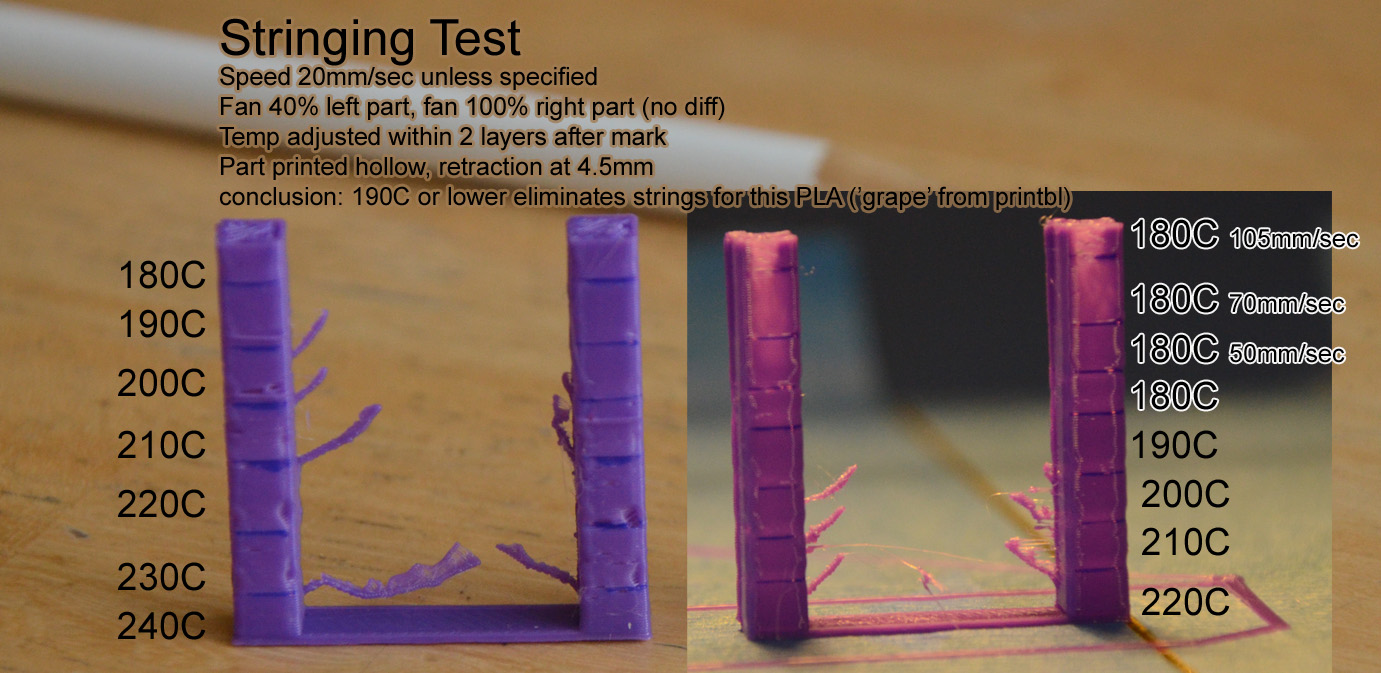
One of the reasons for stringing is that the temperature is too high. If the printer is heating up the filament to a point where it becomes more liquid, it will ooze and create strings as it moves from one point to another. The solution to this is simple - adjust the printing temperature. The trick is to find the sweet spot where the temperature is just right. Lower the temperature until the stringing goes away, and increase it slightly if the print quality starts to suffer.
2. Adjust The Retraction Settings
Retraction is Key:

If you are still experiencing stringing despite adjusting the temperature, you may need to tweak the retraction settings. Retraction is the process of pulling the filament back into the nozzle when the extruder is moving to a new location. When this process is not adequate, the filament remains in a molten state, creating strings. Adjust the retraction settings until the stringing goes away.
3. Modify the Travel Speed
Slow Down for Success:

Another reason for stringing is that the printer's travel speed may be too high. When the printer moves too fast, the filament doesn't have enough time to retract before moving to another point. As a result, the filament oozes and creates strings. In this case, you need to change the travel speed. Slow it down until the stringing goes away. You may also want to make changes to the acceleration and jerk settings as well for better control.
4. Consider Using a Different Filament Quality
The Quality Matters:

The quality of the filament that you use may also be the cause of stringing. High-quality filaments are less prone to creating strings, while low-quality filaments can create all sorts of issues. Consider switching to a quality filament that has a consistent diameter and doesn't contain contaminants. This will ensure better print quality and reduce the likelihood of stringing.
And there you have it folks! Four simple tips to help you fix the 3D printing stringing problem. Follow these tips, and you'll be well on your way to creating flawless 3D prints. Happy printing!
Read more articles about 3d Printing Stringing Fix Cura