Have you ever looked at a piece of fine art and thought, "what in the world am I looking at?" Well, fear not my fellow art-lovers, I am here to help explain just what fine art is and give you some tips on how to sell your own fine art photography.
Fine Art Painting Wallpapers, Art Wallpaper
Step 1: Find Your Inspiration
When creating a beautiful piece of fine art, one of the most important factors is inspiration. Whether you find inspiration in the way the moon reflects on the ocean, or in the soft curves of a flower petal, it is crucial to find that spark that will ignite your creativity.

Step 2: Choose Your Medium
There are a myriad of options when it comes to choosing the medium for your masterpiece. Whether you prefer oils or acrylics, canvas or paper, it is important to choose the medium that is best suited for your style and subject matter.
Step 3: Get Down to Business
Now that you have found your inspiration and chosen your medium, it is time to get to work. Let your creativity flow freely as you pour your heart and soul onto the canvas or paper. Remember, the end result may not always be perfect, but that is what makes each piece of fine art unique and special.
How to sell fine art photography - top pieces of advice
Step 1: Find Your Niche
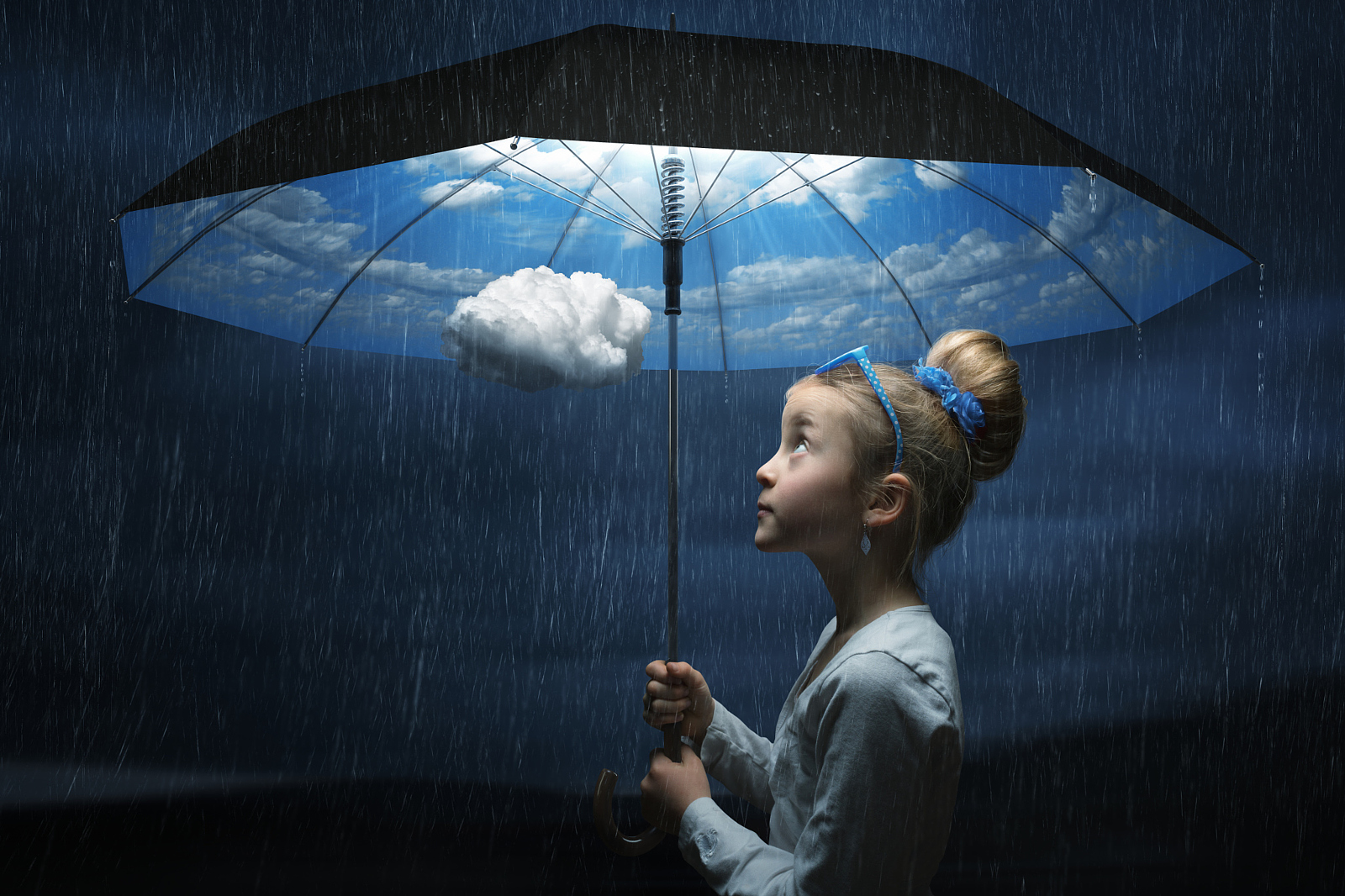
When it comes to selling fine art photography, it is important to find your niche. Whether you specialize in landscape photography, portraiture, or abstract images, it is important to find your niche and focus on perfecting and marketing that specific style.
Step 2: Build Your Portfolio
One of the most important aspects of selling fine art photography is having a strong portfolio. Choose your best work and showcase it in a way that will capture the attention of potential buyers. Whether you showcase your work online, in galleries or in art shows, make sure your portfolio is a true reflection of your style and vision.
Step 3: Market Your Brand
Once you have a strong portfolio, it is time to market your brand. Utilize social media platforms such as Instagram and Facebook to showcase your work and connect with potential buyers. Attend art shows and galleries to network with other artists and potential buyers. Remember, marketing your brand is just as important as creating beautiful images.
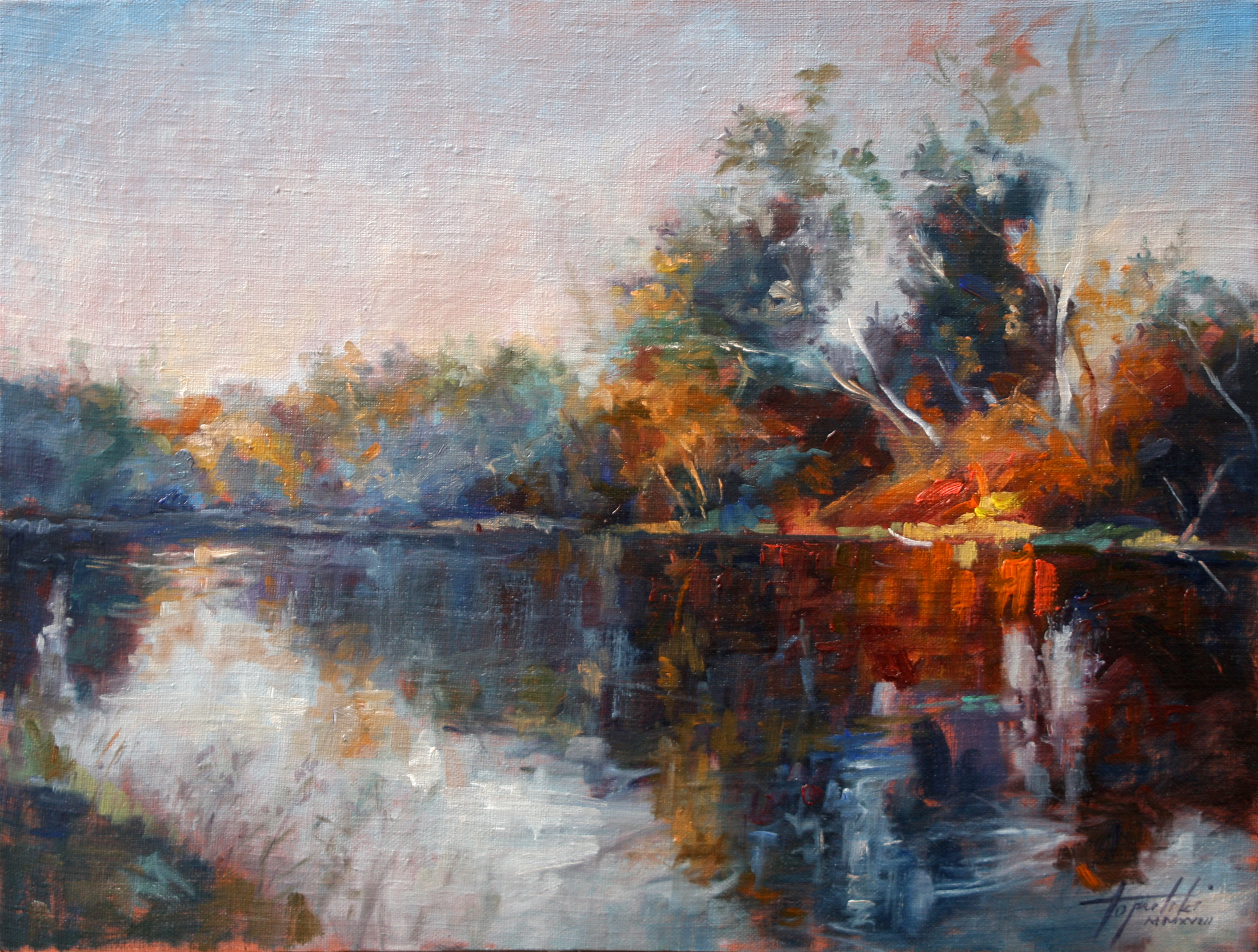
River Reflections – Landscape Oil painting - Fine Arts Gallery
Step 1: Choose Your Colors
When it comes to creating a beautiful landscape painting, color choice is crucial. Choose a color scheme that is pleasing to the eye and complements the subject matter.
Step 2: Focus on Composition
The composition of your painting is just as important as the subject matter. Consider focus and balance when positioning your focal point and other elements in the painting.
Step 3: Practice, Practice, Practice
Creating a beautiful landscape painting is not an overnight process. It takes practice and dedication to perfect your skills and techniques. Don't be discouraged by failed attempts, each one is a learning experience that will bring you closer to creating your own masterpiece.
Fine Art Photography: What It is and How to Do It
Step 1: Choose Your Subject Matter
When it comes to fine art photography, subject matter is key. Choose a subject that speaks to you and inspires you, whether it be a stunning landscape or a unique portrait.

Step 2: Play with Light and Shadows
Playing with light and shadows can add depth and interest to your images. Utilize the natural light available or experiment with artificial lighting to create stunning effects in your images.
Step 3: Editing and Post-Processing
After capturing that perfect shot, it is time to edit and post-process your images. Whether you prefer to use software like Photoshop or Lightroom, or prefer to stick to basics like brightness and contrast adjustments, it is important to edit your images in a way that enhances the beauty of your subject.
Creating fine art, whether it be painting or photography, takes time, dedication, and a true passion for the craft. So let your creativity flow and don't be afraid to take risks and experiment with new styles and techniques. Who knows, you just might create the next masterpiece that will inspire generations to come.
View more articles about What Is Fine Art