Using 3d Printing In Prosthetics - Every year, millions of men, women, and children lose limbs due to various accidents or ailments. In the past, prosthetics were heavy, ill-fitting, and uncomfortable. But with the advent of 3D printing technology, prosthetics have become lighter, more comfortable, and highly customizable. Here are five examples of how 3D printing is revolutionizing the prosthetics industry:
Incredible See-Through Prosthetics 3D-Printed From Titanium | Bored Panda
The new generation of prosthetics
One of the biggest drawbacks of conventional prosthetics is that they can be heavy and uncomfortable. But with the advancement of 3D printing technology, there is now the possibility to create incredibly light and highly customizable prosthetics. The 3D-printed titanium prosthetics have become extremely popular due to their strength-to-weight ratio and overall aesthetics. Unlike traditional prosthetics, 3D printed versions can be created in days or even hours and are highly durable and long-lasting.

The 3D Printed Medical Devices Market is Expected to Show Steady Gains
A growing market
The 3D printing industry has been rapidly expanding in recent years and is expected to continue growing at an exponential rate for the foreseeable future. The 3D printing of prosthetics and medical devices is a major part of this growth. The global 3D printed medical devices market was valued at $3.5 billion in 2017 and is projected to grow to $7.2 billion by 2022. The use of 3D printing technology in the medical industry is becoming more widespread, and its applications are expected to expand even further.

$30 for custom-made prosthetics? With 3D printing, it’s becoming
Customizable and Affordable
Custom-made prosthetics can be very expensive, but with the help of 3D printing technology, they are becoming more affordable than ever. In fact, researchers have discovered a way to make prosthetics for as little as $30 each by using 3D printers. By bypassing the traditional manufacturing methods, prosthetics can be made to fit each patient's unique measurements at a fraction of the cost of traditional prosthetics. 3D printing allows prosthetics to be easily modified and personalized, giving patients greater mobility and independence.
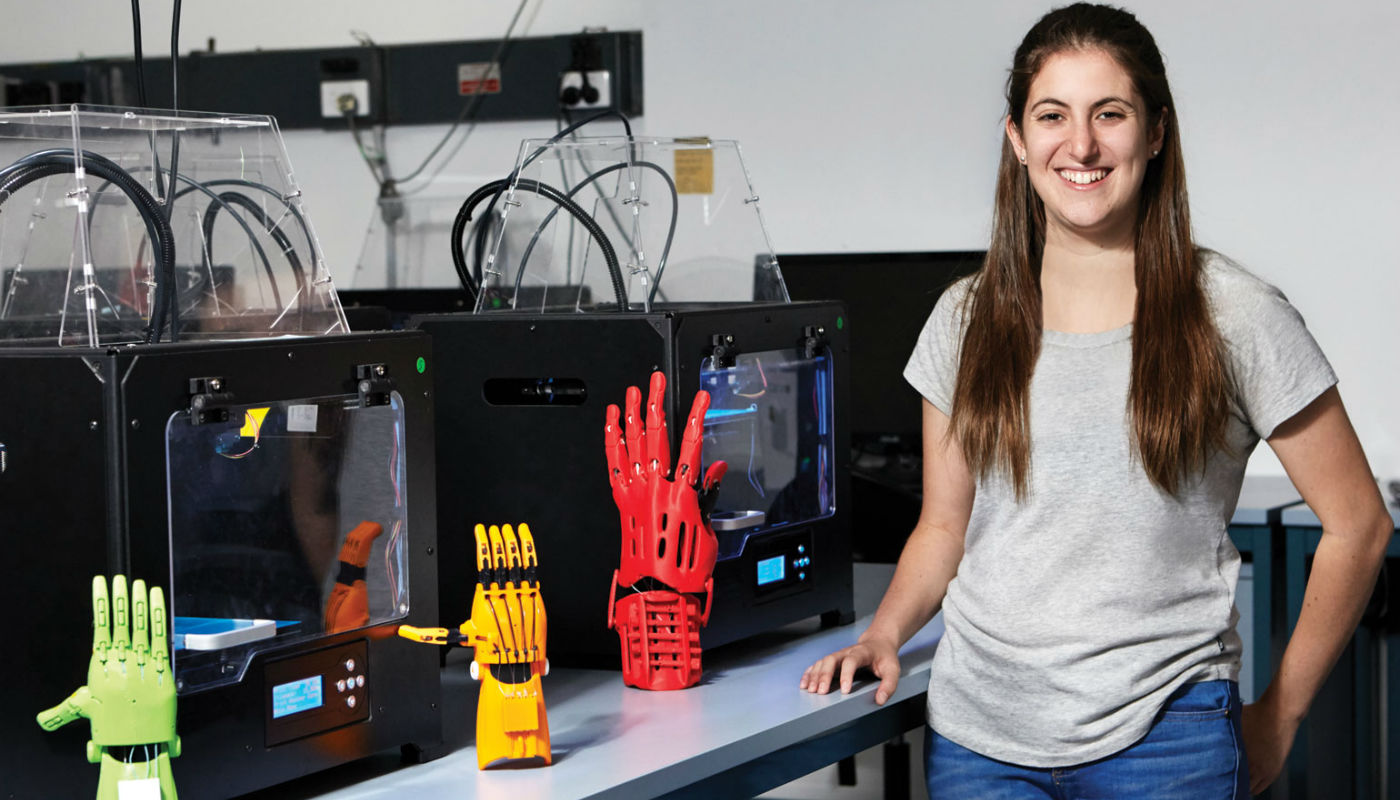
Intel Volunteers Build 100 Prosthetic Hands for Haiti in 2 Hours - 3D
Making a Difference
The flexibility and customizability offered by 3D printing technology is not only making prosthetics more affordable and comfortable, but it is also playing an important role in philanthropic efforts around the world. Volunteers in Haiti have been using 3D printers to make prosthetic hands for those in need. The process is quick and cheap, and it allows volunteers to make a significant impact on the lives of those in need. With 3D printing, it is now possible to create prosthetics almost anywhere in the world, regardless of the available resources.

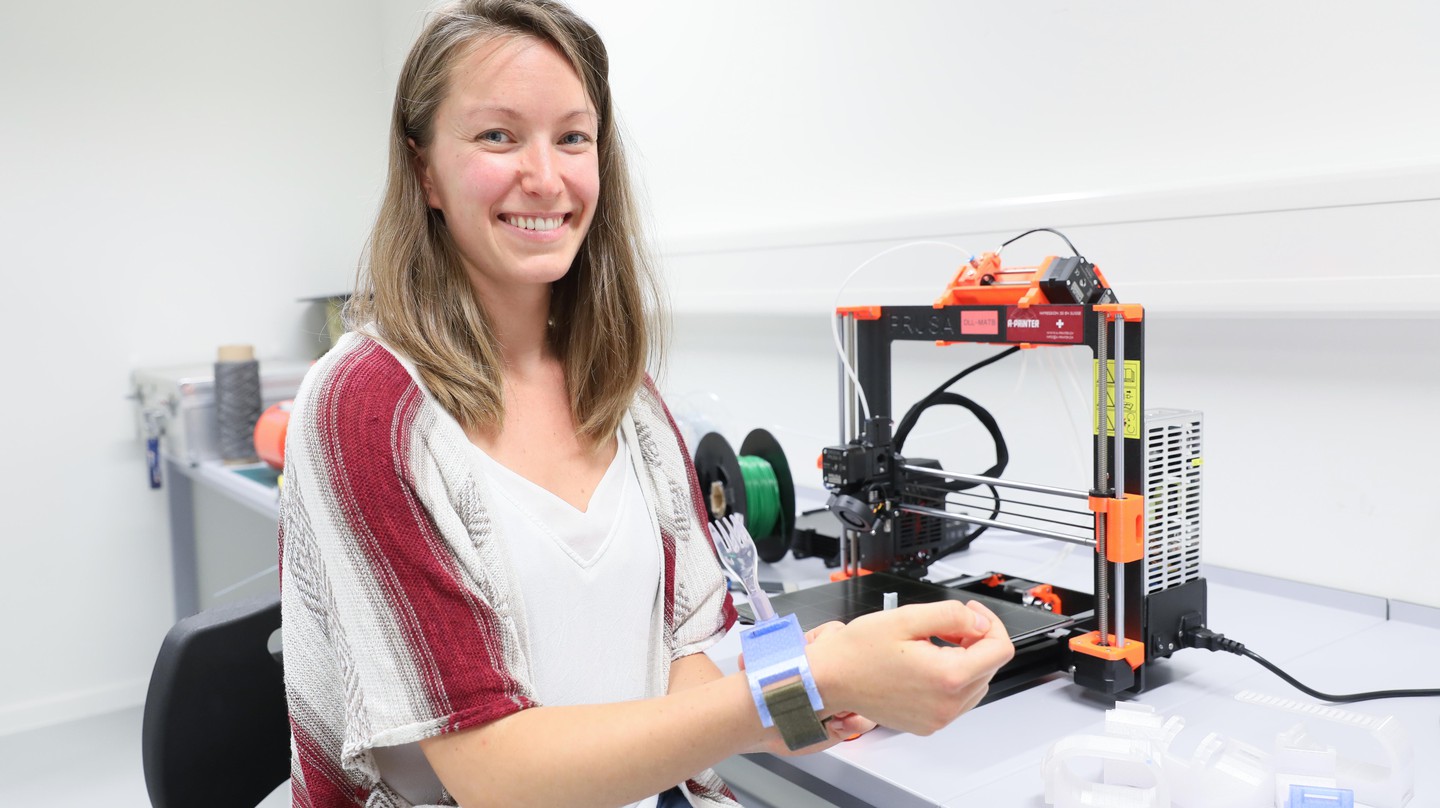
Using 3D printing to make prosthetics for Colombia war victims - EPFL
Helping Victims of War
3D printing technology is being used to make a significant impact on the lives of people who have been affected by war in Colombia. Researchers at EPFL have been using 3D printers to create customized prosthetics for victims of war, who have lost limbs either in combat or from landmines. The use of 3D printing allows researchers to make prosthetics that are both highly customized and comfortable for patients. The technology is giving victims of war the chance to lead more normal lives and freeing them from the stigma surrounding their injuries.
Tips, Ideas, and How To
When it comes to 3D printing prosthetics, there are a few things to keep in mind. Here are a few tips to help you get started:
Tip 1 - Start Small
If you are new to 3D printing prosthetics, it is best to start with a simple design. This will allow you to get a feel for the process and refine your techniques as you go.
Tip 2 - Experiment with Materials
There are a wide variety of materials that can be used for 3D printing prosthetics, including plastics, metals, and ceramics. Experiment with different materials to find the one that best fits your needs.
Tip 3 - Collaborate with Others
Collaboration is key when it comes to 3D printing prosthetics. Working with other designers and medical professionals can help you create better designs that meet the needs of patients more effectively.
Idea - Create a Prosthetic That Allows for Increased Mobility
One of the major advantages of 3D printed prosthetics is that they can be highly customized. Consider creating a prosthetic that allows for increased mobility, giving patients more independence and freedom.
How To - Design a Custom 3D Printed Prosthetic
Designing a custom 3D printed prosthetic is easier than you might think. Here are the steps to get you started:
- Take detailed measurements of the area where the prosthetic will fit.
- Create a model of the prosthetic in 3D modeling software.
- Export the model to a file format that is compatible with the 3D printer.
- Print the prosthetic using a 3D printer.
- Refine the design as needed.
3D printing technology is revolutionizing the prosthetics industry, making it possible to create highly customizable and affordable prosthetics with ease. Whether you are a medical professional or someone looking to create a prosthetic for a loved one, 3D printing is a powerful tool that can make a significant impact on the lives of those in need.
Find more articles about Using 3d Printing In Prosthetics