What Materials Are Used For 3d Printing -
Introduction
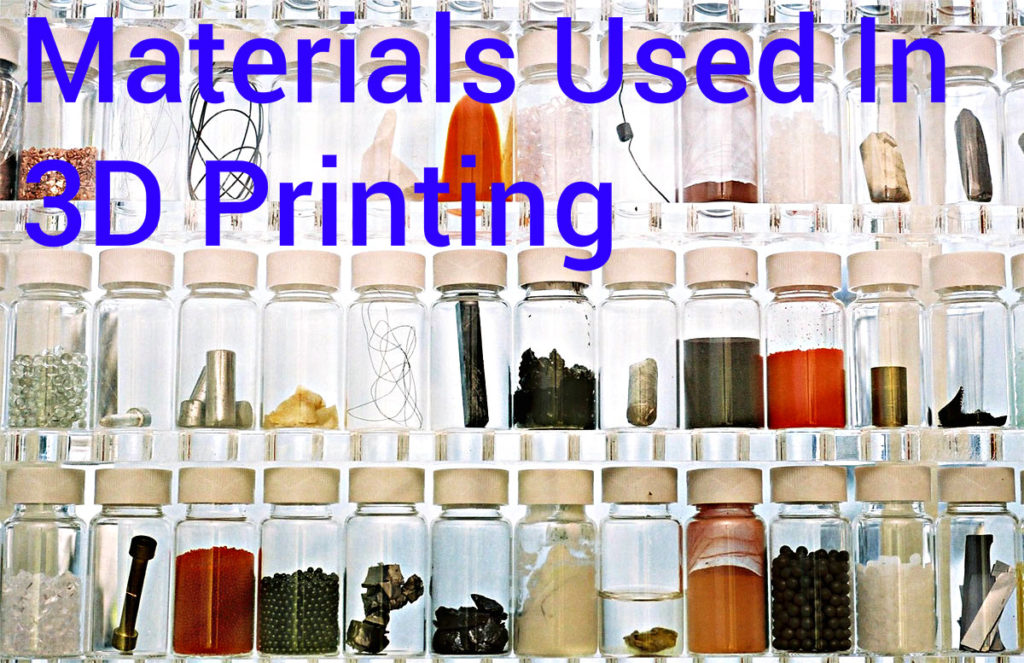
3D printing has become an incredible technology that has revolutionized the manufacturing industry. With this technology, businesses and individuals can easily create complex and intricate objects that were impossible to produce with traditional manufacturing methods. The process involves the use of a 3D printer that adds successive layers of material until the desired object is formed. The material used in 3D printing varies, ranging from molten plastics to metals, ceramics, and even concrete. In this article, we will explore the various materials used in 3D printing and their unique properties that make them suitable for different applications and industries.
1. PLA (Polylactic Acid)
Description
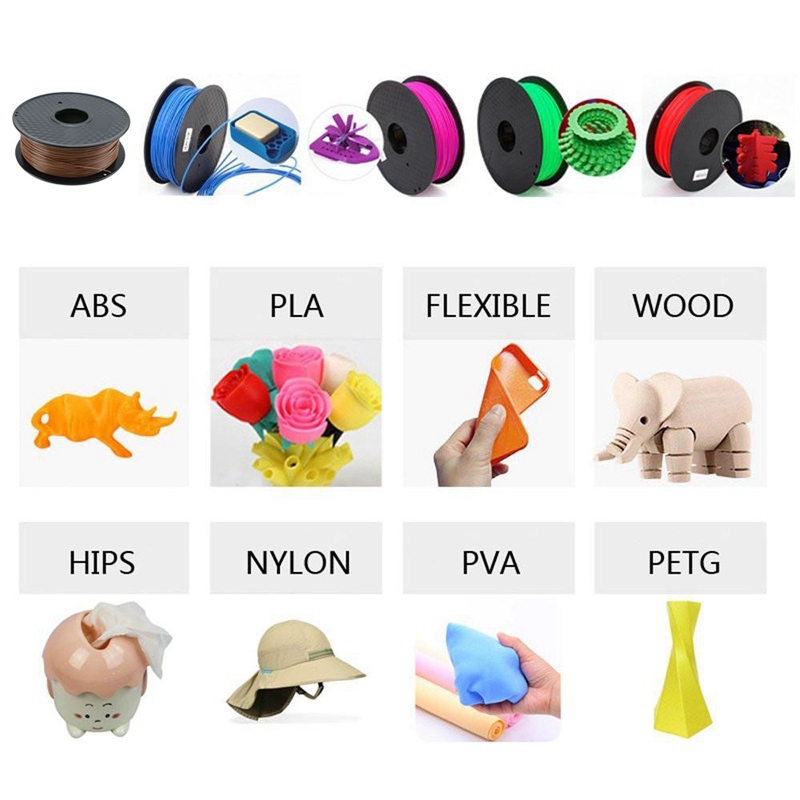
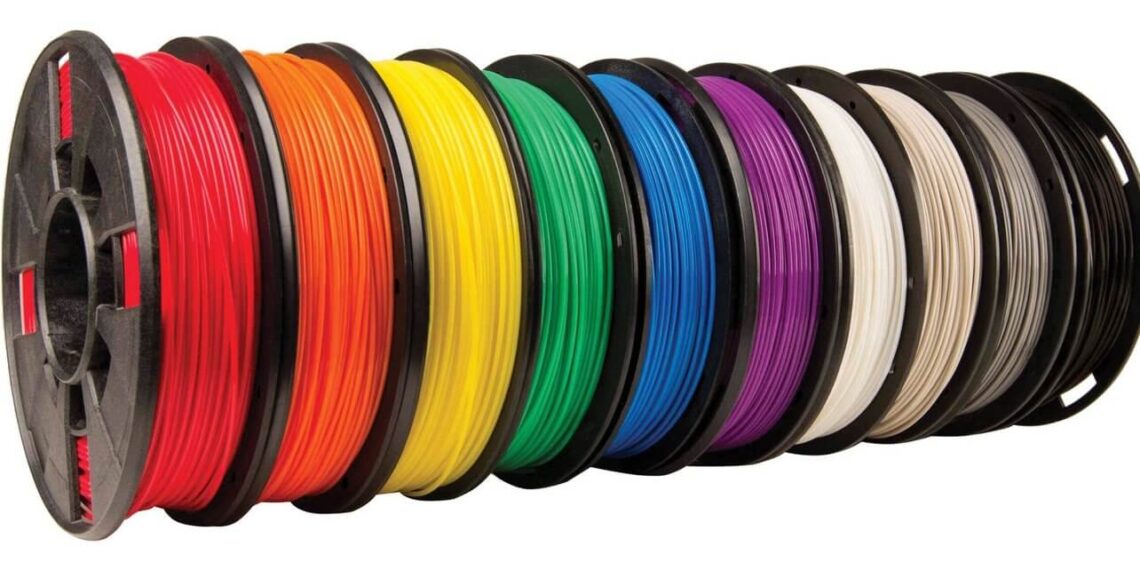
Polylactic Acid (PLA) is a biodegradable thermoplastic that is commonly used in 3D printing. It is derived from renewable resources such as cornstarch, sugarcane, and tapioca. PLA is a popular choice for hobbyists and beginners because it is easy to work with and has a low melting point, which makes it suitable for printing on a variety of 3D printers. Additionally, it comes in a variety of colors and has a glossy finish.

Tips, Ideas and How To
PLA is ideal for making models, toys, and other non-functional objects. The material is not suitable for objects that require high strength or durability. However, it can be reinforced with metal, wood, and other materials to increase its strength. PLA is also suitable for light fixtures, planters, and other household items since it is eco-friendly and does not emit harmful fumes when heated. It is recommended to store PLA in a dry and dark environment to prevent it from absorbing moisture and degrading.
2. ABS (Acrylonitrile Butadiene Styrene)
Description
Acrylonitrile Butadiene Styrene (ABS) is a common thermoplastic used in 3D printing. It is a durable and strong material that has excellent mechanical properties, making it ideal for functional parts and prototypes. It is also resistant to high temperatures and shock. ABS comes in a variety of colors and has a matte finish, making it ideal for producing high-quality objects.
Tips, Ideas and How To
ABS is ideal for producing functional parts, such as gears, automotive parts, and other mechanical components. It is also suitable for creating toys and models that require high durability. To produce high-quality objects, ABS should be printed in a controlled environment to prevent warping and cracking. It is important to note that ABS produces harmful fumes when heated, and adequate ventilation is required. It is also recommended to print ABS on a heated bed to prevent warping and improve adhesion.
3. PETG (Polyethylene Terephthalate Glycol)
Description
Polyethylene Terephthalate Glycol (PETG) is a strong, flexible, and durable thermoplastic that is commonly used in 3D printing. It has excellent mechanical properties, including high impact resistance and tensile strength. PETG has a glossy finish and comes in a variety of colors.

Tips, Ideas and How To
PETG is ideal for producing functional parts that require high strength and durability, such as phone cases, bottles, and food containers. It is also suitable for making models, toys, and other non-functional objects. PETG can be printed at high speed and does not require a heated bed, which makes it ideal for beginners. However, the material can be prone to stringing and oozing, which can be minimized by adjusting the temperature and retraction settings of the printer.
4. TPU (Thermoplastic Polyurethane)
Description
Thermoplastic Polyurethane (TPU) is a flexible and durable material that is commonly used for producing 3D printed objects that require elasticity and flexibility. TPU has excellent mechanical properties, including high abrasion resistance and excellent shock absorption. It comes in a variety of colors and has a glossy finish.
Tips, Ideas and How To
TPU is ideal for producing objects that require flexibility and elasticity, such as phone cases, medical braces, and footwear. It is also suitable for creating toys and models that require high durability. TPU should be printed at a low speed and a low temperature to prevent warping and improve adhesion. It is recommended to use a direct drive extruder to prevent the material from curling or jamming in the printer's Bowden tube.
5. Nylon
Description
Nylon is a strong and durable material that is commonly used in 3D printing. It has excellent mechanical properties, including high strength, flexibility, and durability. Nylon is resistant to wear and tear and is highly chemical resistant. It comes in a variety of colors and has a matte finish.
Tips, Ideas and How To
Nylon is ideal for producing objects that require high strength and durability, such as automotive parts, gears, and other mechanical components. It is also suitable for creating toys and models that require high durability. Nylon should be printed at a low speed and a high temperature to improve adhesion and prevent warping. It is recommended to print nylon in a controlled environment to prevent the material from absorbing moisture and degrading.
Conclusion
The choice of material used in 3D printing depends on the application and the desired properties of the object. Each material has unique properties that make them suitable for different applications and industries. The materials listed above are some of the most commonly used in 3D printing. Hobbyists, beginners, and professionals can choose from a range of materials to create objects that are functional, durable, and visually appealing.
At the end of the day, 3D printing has enabled the creation of stunningly intricate and sophisticated designs that were once unthinkable. The future of the technology is bright, and the materials used in 3D printing will continue to evolve alongside new technological advancements. By understanding the characteristics of each material, individuals and businesses can take advantage of 3D printing to create unique, custom-made objects.
Find more articles about What Materials Are Used For 3d Printing